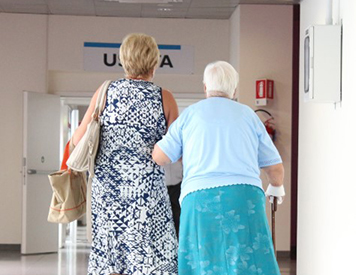
 Carers provide unpaid support to someone due to disability, illness, or ageing. They provide billions of hours of unpaid care each year, vital in helping people with daily needs. There are about 3 million carers in Australia. Of these, 1.2 million were the main carer, most of them women, who often help with important tasks such as moving around, self-care, and communication (ABS 2024).
Experience of disadvantage
Many carers look after older family members because they feel a strong sense of duty or love. They may believe they can give better care than others. Carers can be spouses, children, siblings, neighbours, or friends. Some carers look after their own families while also caring for a parent, and some have health problems themselves. Main carers are often older, face stress from growing care needs, and may feel isolated or unwell. Many do not know of services that could support them.
Complex overlaps
Carers come from diverse backgrounds. Many were born overseas, speak a language other than English and live in disadvantaged areas. Most do not earn an income and rely on allowances. Many carers also live with disability or illness and must manage their own health. Some are care leavers, identify as LGBTI+ or live in areas where services are harder to access.
The impact on end-of-life care
Carers play a vital role in end-of-life care as part of aged and palliative care teams. The role is demanding, and emotional, often causing sadness and exhaustion. Recognising carers’ contributions and listening to their concerns can help meet needs of the dying and ease carers’ burden.
Print this summary (200kb pdf)