Diverse Needs of Older People
The Aged Care Act 2024 recognises 13 groups of older people who have had life experiences that require particular understanding and can add complexity to their care needs.
The diagram below shows these groups.
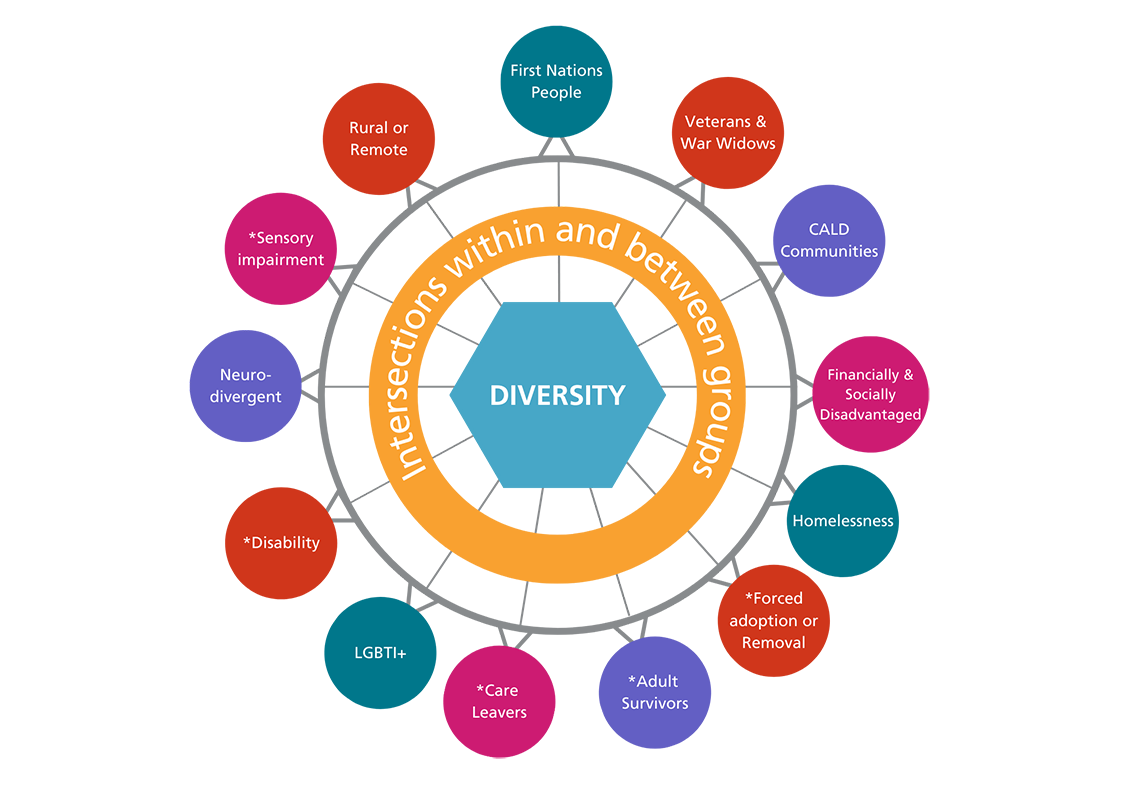
* Group names have been shortened for visual diagram purposes only. Please see full titles below.
Find out more about each group by opening the drop-down summaries below. You can download the ones relevant to your work or all of them.
These summaries use population data from the Australian Bureau of Statistics (ABS) and the Australian Institute of Health and Welfare (AIHW).
-
Aboriginal and Torres Strait Islander peoples
Warning: Aboriginal and/or Torres Strait Islander peoples should be aware that this page deals with topics like end of life and sorry business.
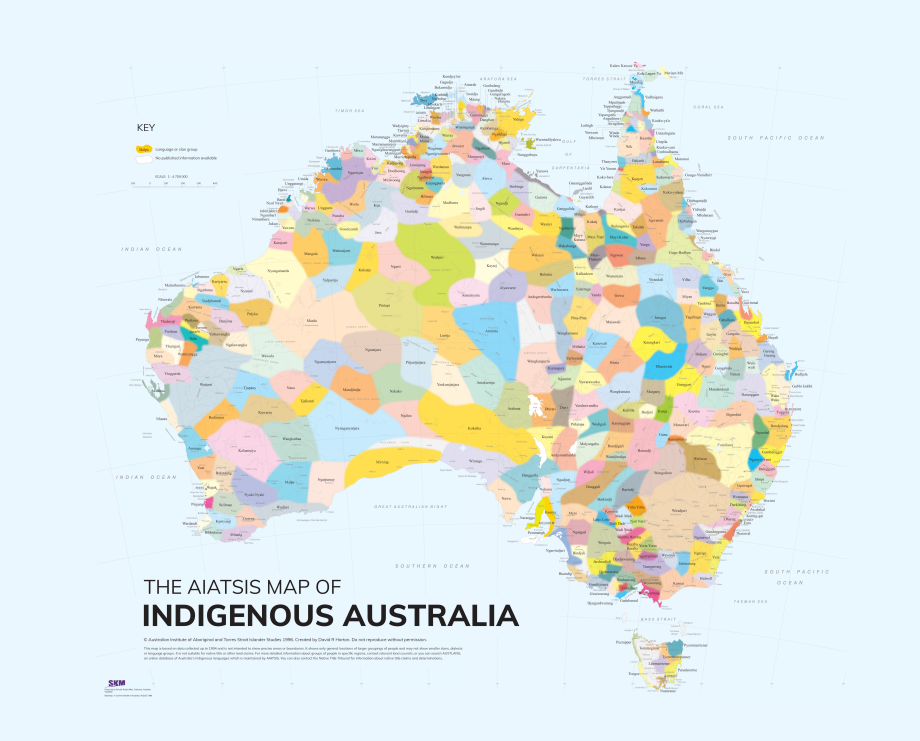 Aboriginal and Torres Strait Islander peoples represent many First Nations culture and language groups across Australia. They are 3.8% of our population. About 75% live in NSW, Queensland, and WA with NT having the highest proportion (ABS 2021).
Experience of disadvantages
Colonisation and racism have led to health inequalities for First Nations people. They have shorter life spans and poorer health outcomes. Many have experienced forced relocation and child removal causing lasting trauma.
Complex overlaps
Many live with the impact of past trauma, loss of family and culture (members of Stolen Generation), poverty, social stigma, ill-health, disability and dementia.
The impact on end-of-life care
First Nation people may distrust support services and feel unsafe when using them. Kinship, which extends beyond immediate family, is crucial support. Ask who is the carer and who should participate in decisions and “sorry business” (mourning period). Partner with Aboriginal and Torres Strait Islander groups for respectful and culturally safe end-of-life care.
Watch the video by Palliative Care Australia Final Footprints: My Culture, My Kinship, My Country.
Find out more
- Exploratory Analysis of Barriers to Palliative Care – Issues Report on Aboriginal and Torres Strait Islander Peoples
- Education and training materials – Gwandalan Palliative Care
- palliAGED Tips for Nurses: First Australians Communication
- Aboriginal and Torres Strait Islander Discussion Starter
- Caring for your mob at the end of their life
- In our care into your hands: Aboriginal stories about approaching the end of life
-
Veterans and War Widows
 Veterans are men and women who served in the Australian Defence Forces, often in war or dangerous events. More than 250,000 veterans are over 65 years, 2.3% are Aboriginal and Torres Strait Islanders and 22,500 female veterans. There are over 30,000 War Widows and Widowers, partners of veterans who have died in war or due to related illnesses (DVA Pensioner Summary 2021).
Experience of disadvantage
Veterans and War Widows(ers) have endured stress from life-threatening events causing physical and mental trauma. Military culture may have lasting wellbeing effects. War Widows(ers) faced long periods alone, frequent moves and sole parenting responsibility. Loss of their partner to war brings deep grief mixed with feelings of duty and sacrifice.
Complex overlaps
Poor mental health and grief can affect both groups. Some, including Aboriginal and Torres Strait Islander veterans and widows(ers), face other health and social challenges. Lack of understanding of their service may add to isolation. Many war widows(ers) were carers facing hardships, emotional, physical, and financial strain.
The impact on end-of-life care
Both groups value self-reliance, preferring each other’s support rather than seeking services. Ageing brings limited choices and emotional distress at the end of their lives. Services need to be aware of the trauma they have faced and ensure privacy, safety, and a sense of control.
Find out more about palliative care for veterans on CareSearch.
Use this Planning Ahead Kit by the Department of Veteran Affairs.
-
Culturally and linguistically diverse Australians
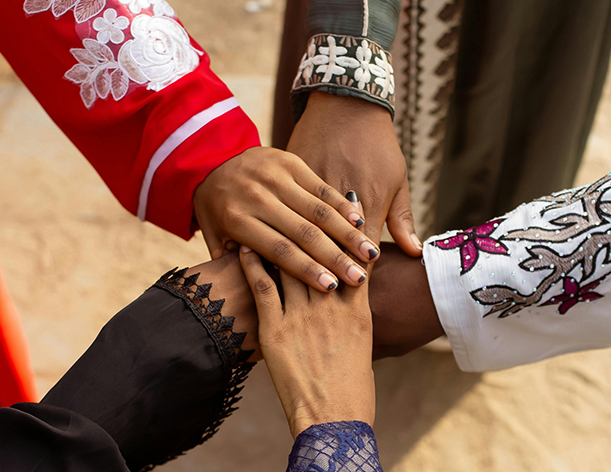 Australia’s population is increasingly diverse. 8.6 million were born overseas with most coming from England, India, China and New Zealand, with recent arrivals from India, China, Philippines, Nepal and Vietnam. Over 5.8 million Australians speak a language other than English, including Mandarin, Arabic, Vietnamese, Cantonese and Punjabi. Earlier migrants were from Europe and spoke Spanish, Italian, German, French and Polish (ABS 2024).
Experience of disadvantage
Many face challenges learning English, gaining employment and adjusting to the Australian culture. Most experienced prejudice, taking low-paid jobs to restart their lives. Language barriers, different cultural beliefs and practices make using services harder.
Complex overlaps
Despite being welcomed, people from diverse backgrounds may feel unfamiliar with palliative and end-of-life care. They can face language barriers, low income, complex health needs, and limited service access.
The impact on end-of-life care
People distrust services if their cultural traditions aren’t respected, and prefer family care. Limited end-of-life care creates distress for older people and families. Services must respect cultural practices and meet language needs.
Visit the Department of Health, Disabililty and Ageing for Partners in Culturally Appropriate Care by the Department of Veteran Affairs.
Find out more through palliAGED’s Culturally Safe Care.
-
People who are financially or socially disadvantaged
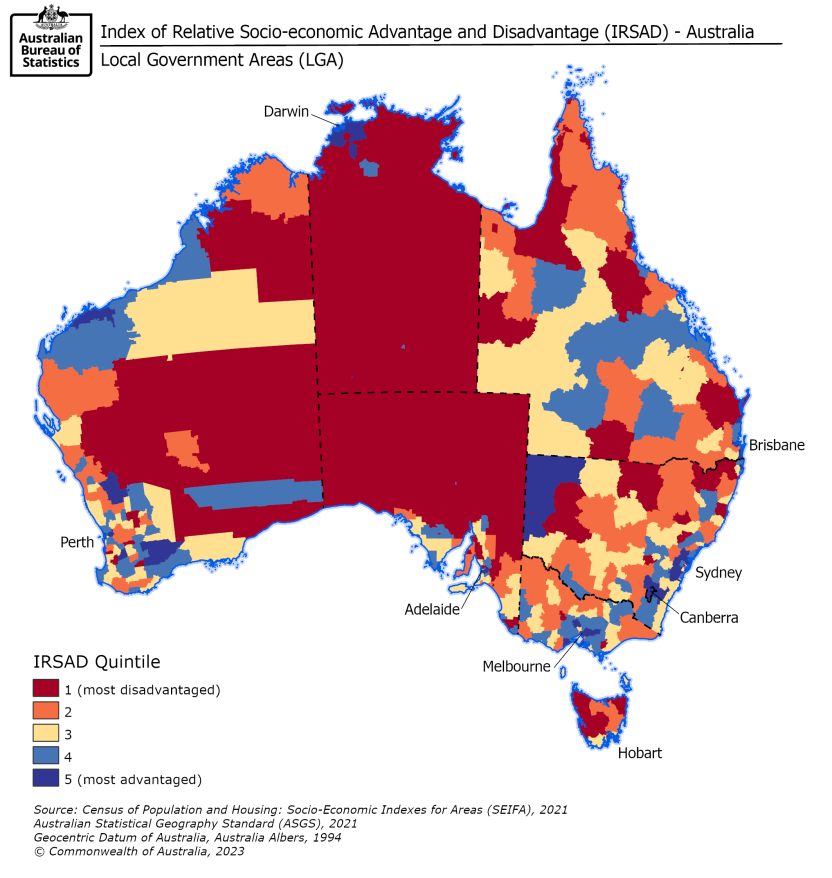 Over 3 million Australians live in poverty, with 41% describing themselves as poor or struggling. This limits education, housing, employment and health care, leading to social isolation. With ageing, some disadvantaged people fall into homelessness and increased health problems. Financial and social disadvantage is widespread but concentrated in regional and rural areas (ABS 2016).
Experience of disadvantage
Socially disadvantaged people are typically alienated from friends and family. Many cannot access services, education or hold jobs. Stress from low income, unemployment, poor housing and family conflict increases the risk of mental illness with ageing.
Complex overlaps
Aboriginal and Torres Strait Islanders, and people living in rural or remote areas are often disadvantaged. Older people with disability or mental illness, homeless and migrants who do not speak English may also be disadvantaged. These experiences can exist across lifetimes and families, making life more difficult.
The impact on end-of-life care
Access to advance care planning is limited in disadvantaged areas, which can reduce person-centred care. Remote area services are limited and people may worry about finances, delaying help. Partnering with trusted local services can address concerns and improve understanding of care options.
Publications on this topic can be found at the Aged Care Rights Advocacy (ARAS) website.
Build on from this fact sheet to factors, dynamics and effects of isolation in older people.
-
People experiencing or at risk of homelessness
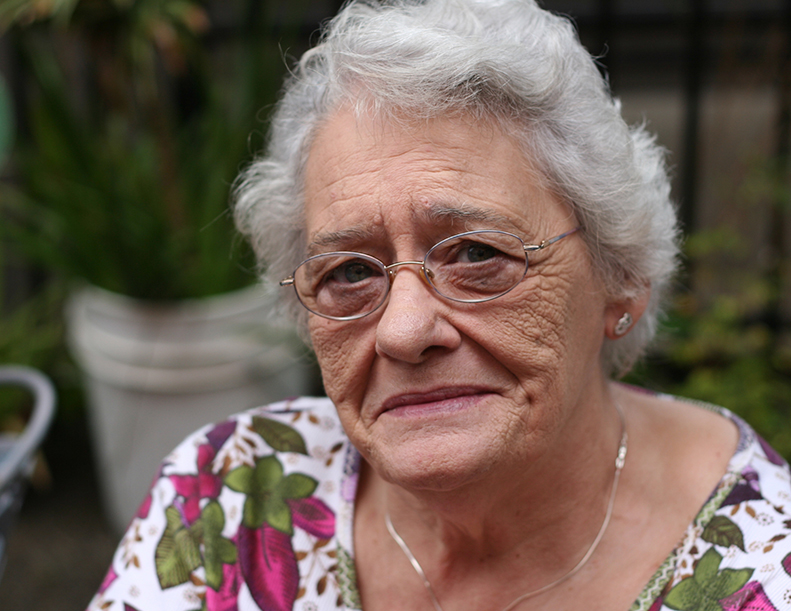 About 270,000 Australians are homeless or at risk of it. They live in poor or unsafe housing, with no tenure or control. Their home may be very crowded, or a temporary refuge or crisis housing (ABS 2025).
Experience of disadvantage
Homelessness makes people feel unsafe and isolated. This may worsen mental and physical health. The main causes include financial problems, lack of cheap housing and long-term unemployment. Some face additional trauma, family violence and abuse. Mental illness and addiction make stable housing even harder to maintain.
Complex overlaps
Homelessness affects many people. Aboriginal and Torres Strait Islanders often lack adequate housing. Safe housing is hard to find for people in family breakdown and for women escaping violence. Older people may have long-term housing problems and struggle with poor health, low income and support.
The impact on end-of-life care
Poverty and isolation make it hard for homeless people to access health and aged care. Many avoid and delay seeking help due to fear that services may not accept them. Trusted services can help aged care to tailor care better. This can reduce barriers to aged care and ensure support for palliative and end-of-life care.
Visit the Homeless Palliative Care website for more information.
Watch the webinar on Navigating Services with older people at risk of homelessness.
-
Parents and children separated by forced adoption or removal
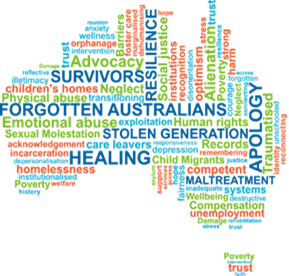 Since colonisation, children have been removed from Indigenous families and until the 1970s, forced adoption removed children from unwed mothers. This affected 1 in 15 Australians (DSS 2023). Children who were removed were placed with adoptive parents, foster care or other institutions but many children suffered mistreatment with lifelong impact. This caused harm to mothers, children and the loss of their families.
Experience of disadvantage
Mothers live with trauma at the loss of their child. Children who were adopted have struggled with their identity and are left with long-term difficulties. Childhood trauma adds to health problems, depression, anxiety, and grief. Over time, difficulties in building relationships lead to isolation. Many of these children are now older and may need aged care supports, but distrust services.
Complex overlaps
On leaving care, some have struggled with mental health issues, substance abuse, and homelessness. A lack of family support makes life harder.
The impact on end-of-life care
Many care leavers distrust institutions and health care because of their experience. Facing old age and end of life, may trigger fear and distress. They need care that understands their past trauma and makes them feel safe, respected and in control.
Visit the Healing Foundation webpage to find out more.
ore practical skills and awareness about forced adoption by the Department of Social Services (DSS).
-
Adult survivors of institutional child sexual abuse
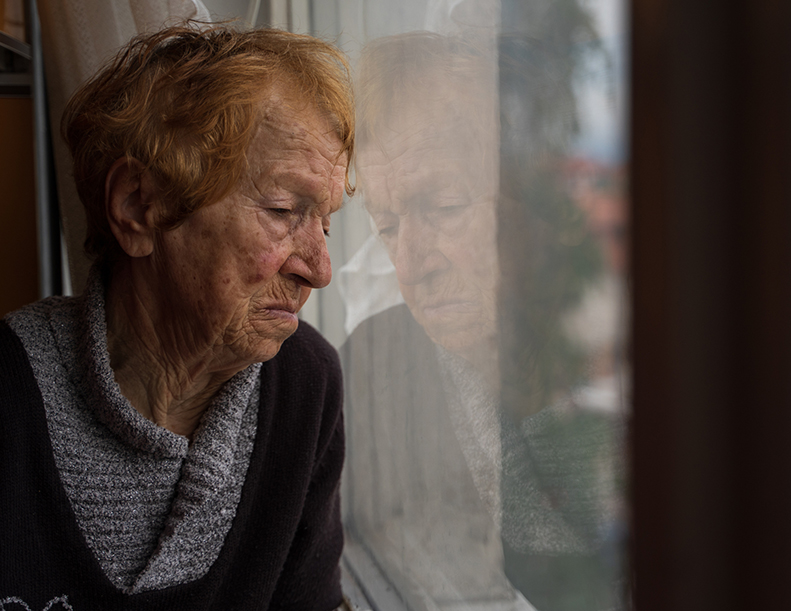 For generations, tragically, some children in Australia suffered sexual abuse while in institutions such as schools, religious organisations, health services and juvenile systems by trusted members of these organisations. Most were abused from a young age and many came from vulnerable backgrounds – separated from families, lived with disabilities, were part of Aboriginal or Torres Strait Islander Stolen Generations or from culturally and linguistically diverse backgrounds.
Living with long-term impacts
Childhood trauma can impact every aspect of a survivor’s life. Some live with institutional distrust, strained relationships, cultural disconnection, mental health challenges, education and employment difficulties, social isolation and poor physical health. Some survivors also face homelessness and substance use issues. Many were removed due to poverty or disability but were harmed by Institutions. Without recognition of their trauma, they distrust services or avoid help.
The impact on end-of-life care
Ageing survivors carry physical and emotional pain. Past experiences can make them feel vulnerable, fearful or powerless especially in unfamiliar care settings. Understanding their past and responding with kindness and sensitivity, aged care staff can make a meaningful difference in the lives of survivors – especially during the end of life.
Visit Phoenix Australia to find out about the simple things you can do to help older people with trauma.
Find out more through the Healing Foundation website.
-
Care Leavers
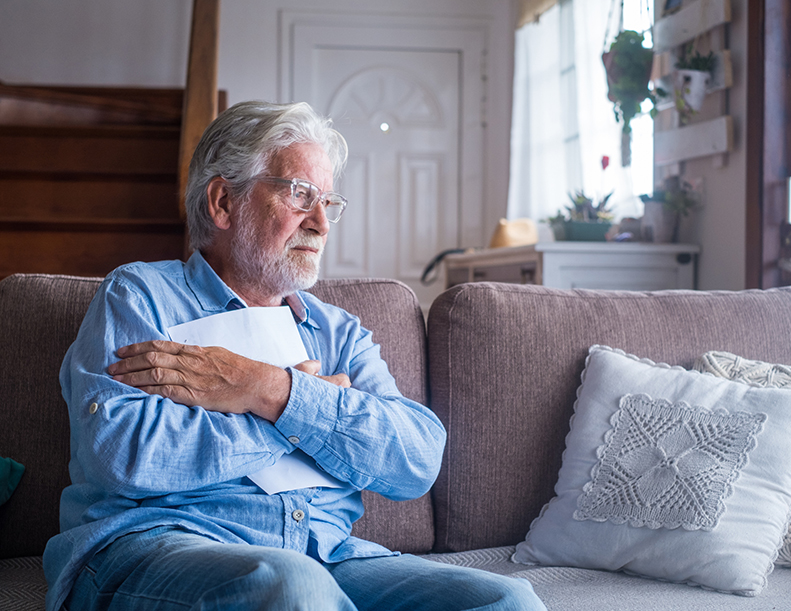 Care leavers are people who spent their childhood in foster care, orphanage, institutions or care outside of their family. Over 500,000 Australians (DoH 2016) experienced this before the1989 policy change. Children were removed since colonial times due to poverty, race, illness or disability and family breakdown. Many suffered neglect and abuse in institutions and this still affects their lives today. They might call themselves Forgotten Australians, Former Child Migrants, Stolen Generations, or state wards.
Experience of disadvantage
Growing up in care has left many care leavers with long-term difficulties. Abuse and trauma add to health problems with depression, anxiety and grief. They had poor education, making it hard to get a job. They find it difficult to build relationships. Over time, this has led to poor health outcomes and social isolation.
Complex overlaps
Some care leavers struggle with mental health issues, substance abuse, and are homeless. A lack of support and understanding makes life harder for care leavers.
The impact on end-of-life care
Many care leavers don’t trust institutions and health services. When facing old age and the end of life, they may feel scared or powerless and react with emotional distress. They need care that understands their past trauma and makes them feel safe, respected and in control.
See the Alliance for Forgotten Australians’ guides on caring for care leavers.
Download this booklet by the Department of Health, Disability and Ageing Booklet – Caring for Forgotten Australians, Former Child Migrants and Stolen Generations.
-
LGBTI+ community
 LGBTI+ stands for Lesbian, Gay, Bisexual, Transgender, Intersex, and other identities. It describes people whose sexual or gender identity differs from perceived norms. Around 1.4% of Australians aged 65 and above are LGBTI+ (AIHW 2025).
Experience of disadvantage
Homosexuality was a crime up until the 1970s in Australia, and same-sex marriage only became legal recently. Many older LGBTI+ people hid their identity and relationships due to the fear of discrimination, legal action, violence and harassment. This can cause long-term impacts on mental health, distrust of others and substance use.
Complex overlaps
LGBTI+ people come from diverse backgrounds and may also belong to other groups, such as migrants, Aboriginal and Torres Strait Islander people, veterans and war widows(ers), care leavers, people living with HIV, dementia, disability and those living in rural or remote areas.
The impact on end-of-life care
Older LGBTI+ people may distrust aged care services. They prefer close friends, same sex partners or advocates rather than family to assist with advance care planning and care choices. Past experiences mean they may need extra safety and privacy for comfort and dignity.
See the Explore more about LGBTI+ on CareSearch.
-
People who live with disability and mental illness
 Around 5.5 million Australians have a disability, with physical, mental and behavioural conditions. Disability becomes more common with age, where half of those over 65 years have a disability and 5% have dementia (AIHW 2024). About 4 million people experience mental illness and 9% are over 65 years of age (AIHW 2025).
Experience of disadvantage
Older people with disabilities or mental illness can face daily struggles. Many experience pain, distress and isolation. Those with disabilities and mental illness often have lower education and fewer job opportunities, leading to financial hardship.
Complex overlaps
Older people with mental illness may develop other physical conditions like stroke or heart disease. Those with disabilities face mental health concerns and financial and social barriers. Both groups may experience homelessness. Some carry war trauma or childhood adversity. Aboriginal and Torres Strait Islanders often live with disabilities due to chronic illness or accidents.
The impact on end-of-life care
People with disabilities and mental illness may struggle to access aged care or end-of-life support. Some delay seeking help to avoid stigma and loss of independence. Working with services that understand their needs can improve access to flexible care.
Find out more about this from the National Disability Services.
Practical information from CareSearch.
-
People who are neurodivergent
 About 15-20% of the global population is neurodiverse, meaning they process information differently from the majority. Around 11% of the workforce is neurodivergent. Common conditions are attention deficit hyperactivity disorder (ADHD), Autism, Dyslexia or Developmental coordination disorder. These conditions affect memory, self-regulation, concentration, communication, time management and emotions.
Experience of disadvantage
Older people may not have a diagnosis or support and struggle with sensory sensitivities and anxiety with change. Lifelong challenges can contribute to poor mental and physical health. Stigma and a lack of understanding can lead to social isolation.
Complex overlaps
Older people with neurodivergence may live with multiple conditions or mental illness due to stress. They may also face poverty, social isolation, language barriers or disadvantage as Aboriginal or Torres Strait Islanders. Environments to support sensory sensitivities are important as noise or stimulation can be overwhelming.
The impact on end-of-life care
Neurodivergent people may struggle to access aged care or end-of-life support. Communication difficulties, strong routines and isolation may mean they avoid services. By recognising neurodiversity as part of human experience and adapting environments and communication, aged care can offer support and end-of-life care.
Download the neurodiversity toolkit from the Australian Disability Network.
-
People who are deaf, deafblind, vision-impaired or hard of hearing
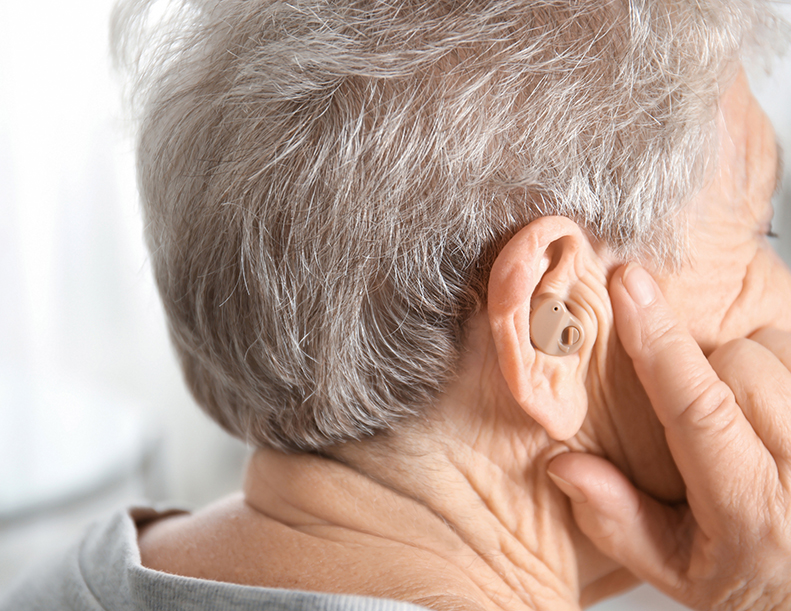 Many Australians have long-term vision problems and hearing loss. One in three people over 65 years experience deafness or hearing difficulties. 2% of Australians are deafblind, experiencing both vision and hearing loss. Some are born with one sensory impairment and develop the other later in life (Deafblind Australia 2025).
Experience of disadvantage
People with sensory impairments often face limited support, leading to poor education, unemployment and poverty. Some struggle with daily activities and communication, resulting in isolation and depression, especially for those who lose sight or hearing later in life.
Complex overlaps
Sensory loss affects people differently, and other disabilities may occur. Older Aboriginal and Torres Strait Islander people often experience sensory loss alongside multiple health issues. Access to assistive technologies may be limited and misunderstandings can occur.
The impact on end-of-life care
The struggle to communicate their needs to staff in complex end-of-life discussions may lead to poor outcomes. Interpreters, assistive technology or culturally appropriate support may be needed to help people with sensory loss feel understood and treated with dignity.
Explore more about ageing and dual sensory loss by Able Australia (pdf).
Download this tip sheet for care workers from palliAGED.
-
Individuals who live in rural, remote and very remote areas
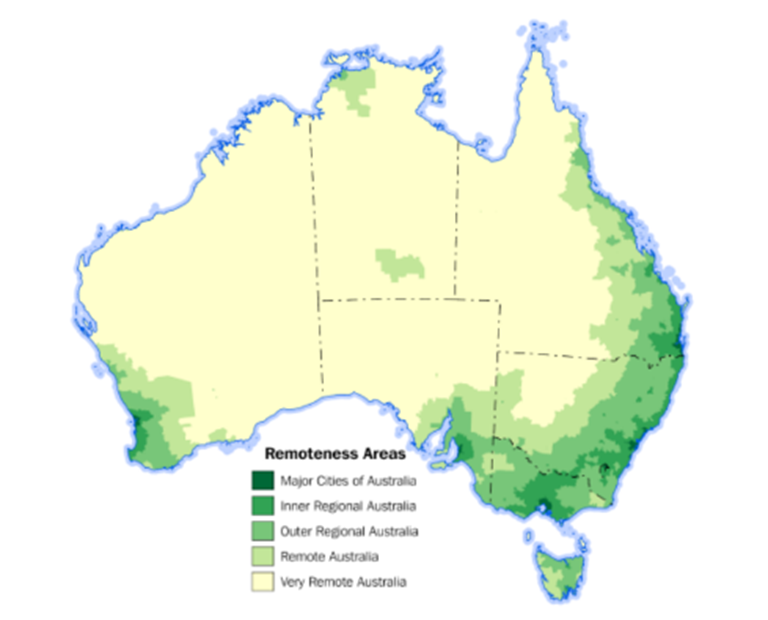 Around 2.7 million of Australians live in rural and remote areas. They face difficulties in access to services due to distance, fewer job opportunities and lower income. Access to education and health care is limited and may lead to poorer health outcomes.
Experience of disadvantage
People in rural and remote areas may pay more for goods and services despite earning less. They often work in physically demanding jobs, which can lead to illnesses such as chronic obstructive pulmonary disease, arthritis, hearing loss and mental health concerns. Higher rates of smoking, poor diet, high blood pressure and alcohol use can increase the risk of serious illness and early death.
Complex overlaps
More Aboriginal and Torres Strait Islanders live in remote areas where low service levels also affect those with disability or mental illness and those with financial and social hardships. Disadvantages persist across generations, making it difficult to overcome barriers.
The impact on end-of-life care
Access to advance care planning is limited in these areas, which can reduce person-centred care. It can be difficult to find services close to home and some may fear separation from family and community. Telehealth and better collaboration with services in touch with local services could improve aged care and support for end-of-life care (AIHW 2025).
Find out more through these fact sheets by National Rural Health Alliance.
Visit palliAGED website to find out more about specific needs.
-
Complex overlaps in life experience for older people (Intersectionality)
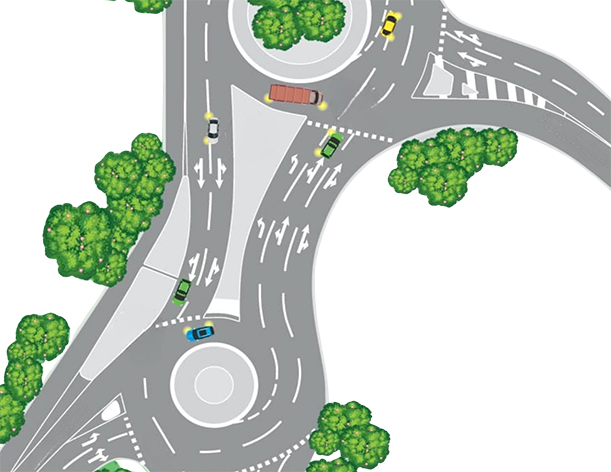 Think of a busy road intersection. When several roads and roundabouts meet, like this picture, driving becomes more complicated. In the same way people’s lives can feel more complex when difficult life experiences overlap or intersect.
Our identity
Our identity is shaped by many factors. When these factors overlap, some may face extra difficulties including poorer health, social isolation or struggle to find care. Past experiences can affect trust and comfort.
Aged care staff play a vital role
Aged care staff play a vital role in recognising unique needs. Asking about preferences and considering aspects of a person’s identity results in inclusive, respectful and safe end-of-life care.
Scenarios to reflect on
- An older Aboriginal man lives in a rural area is financially disadvantaged with diabetes and kidney disease. What barriers might he face? How could his community be involved in planning his end-of-life care?
- An older woman with past trauma had her baby removed for adoption. She now lives with her sister, has mental ill-health, declining health and needs daily care. What would help her build trust in staff and feel secure?
Understanding older people’s fears and need for safety helps you provide care that builds trust and dignity.
Find out more from the Diversity Council Australia.
Download the intersectionality fact sheet from CareSearch.
-
Carers
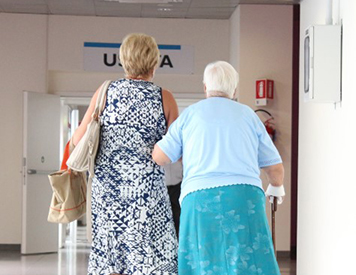 Carers provide unpaid support to someone due to disability, illness, or ageing. They provide billions of hours of unpaid care each year, vital in helping people with daily needs. There are about 3 million carers in Australia. Of these, 1.2 million were the main carer, most of them women, who often help with important tasks such as moving around, self-care, and communication (ABS 2024).
Experience of disadvantage
Many carers look after older family members because they feel a strong sense of duty or love. They may believe they can give better care than others. Carers can be spouses, children, siblings, neighbours, or friends. Some carers look after their own families while also caring for a parent, and some have health problems themselves. Main carers are often older, face stress from growing care needs, and may feel isolated or unwell. Many do not know of services that could support them.
Complex overlaps
Carers come from diverse backgrounds. Many were born overseas, speak a language other than English and live in disadvantaged areas. Most do not earn an income and rely on allowances. Many carers also live with disability or illness and must manage their own health. Some are care leavers, identify as LGBTI+ or live in areas where services are harder to access.
The impact on end-of-life care
Carers play a vital role in end-of-life care as part of aged and palliative care teams. The role is demanding, and emotional, often causing sadness and exhaustion. Recognising carers’ contributions and listening to their concerns can help meet needs of the dying and ease carers’ burden.
Find out more about how you can support carers from Carers Australia.
Access more resources frome CarerHelp.
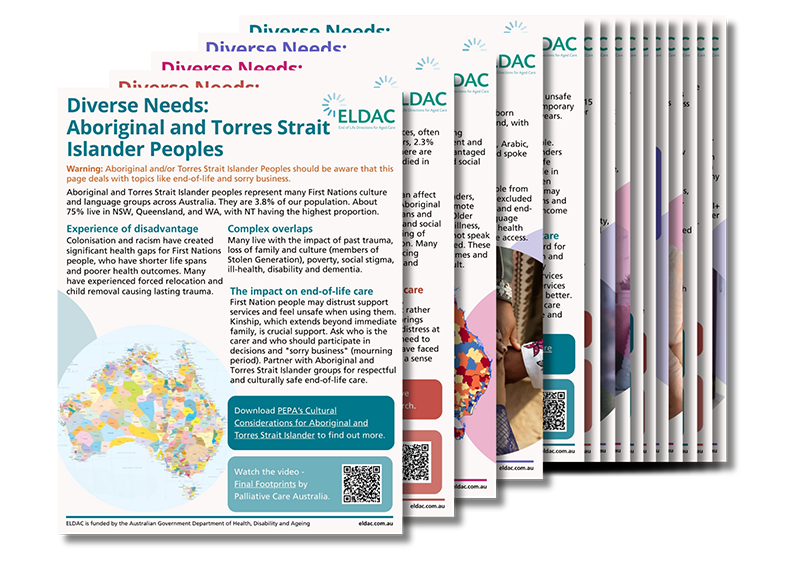
Download all fact sheets as a bundle
Find out more on how to use these fact sheets in your service or for the care you provide. You can download them as a bundle.
Page updated 1 October 2026
This website may capture information to improve user experience. By using our website you consent to this in accordance with our Privacy Statement.