
-
Home Care Clinical Care Assess Your Knowledge Organisational Support
Bereavement Case Study - Bo
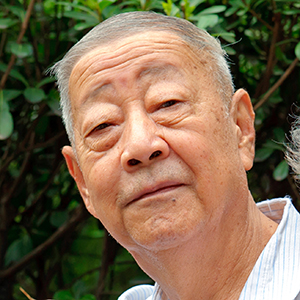 Lee (54 years) lives with her husband and her 3 teenage children. Recently, her father Bo (81 years) moved into their home. Bo was diagnosed with dementia a few years ago.
Lee’s mother, Wendy, was caring for Bo before he moved with Lee and her family. Wendy died of pancreatic cancer 4 months ago (at 73 years). Lee tells you that her mum was her ‘rock,’ and that she has always had a stronger relationship with her mum than with her dad. Wendy provided a lot of practical help for Lee when her children were younger. Wendy and Lee spoke on the phone every day.
Bo receives the Support at Home Program for assistance with personal care. He has problems with memory, concentration and planning tasks. Lately, there are occasions where he has not recognised family members or friends. At times, he follows Lee around the house, asking for Wendy.
Lee says this behaviour is usually worse later in the afternoon, when she is trying to help her kids with homework and prepare dinner. Lee says she had no idea how hard it would be to care for Bo. She says it feels like her dad is ‘here but not here’. She feels angry and resentful that she now has to care for her dad. At the same time, she also feels very guilty and worries she dishonours her mum with these feelings. Lee is anxious about leaving Bo at home and so has stopped seeing friends during the week. Lee was very active before caring for her dad, and often used to run in the evenings. However, even when her husband is home and she is able to leave the home, she says she no longer finds running or seeing friends enjoyable.
Key messages
- You are well-placed to provide basic grief and bereavement support to people with dementia and their family/carers.
- People with dementia and their family/carers may be dealing with many layered losses. It is important to keep thinking about ongoing ways that you can recognise their grief, identify needs, provide support, and communicate with others involved in their care.
- Share relevant information and education on dying, grief, bereavement, and signpost to available support services.
- Notice where people present with several risk factors that may contribute to negative outcomes related to grief. These may include mental health concerns, including Prolonged Grief Disorder. Seek guidance or discuss support services where you are concerned that people may have extra needs.
- This case demonstrates the application of the ELDAC Grief and Bereavement Practice Tips for Care Workers (pdf) or Clinicians (pdf). Use these practice tips to guide your own work.
- The Grief and Dementia factsheet (pdf) has tips for supporting people living with dementia who are experiencing grief and bereavement.
Page updated 29 September 2026
This website may capture information to improve user experience. By using our website you consent to this in accordance with our Privacy Statement.